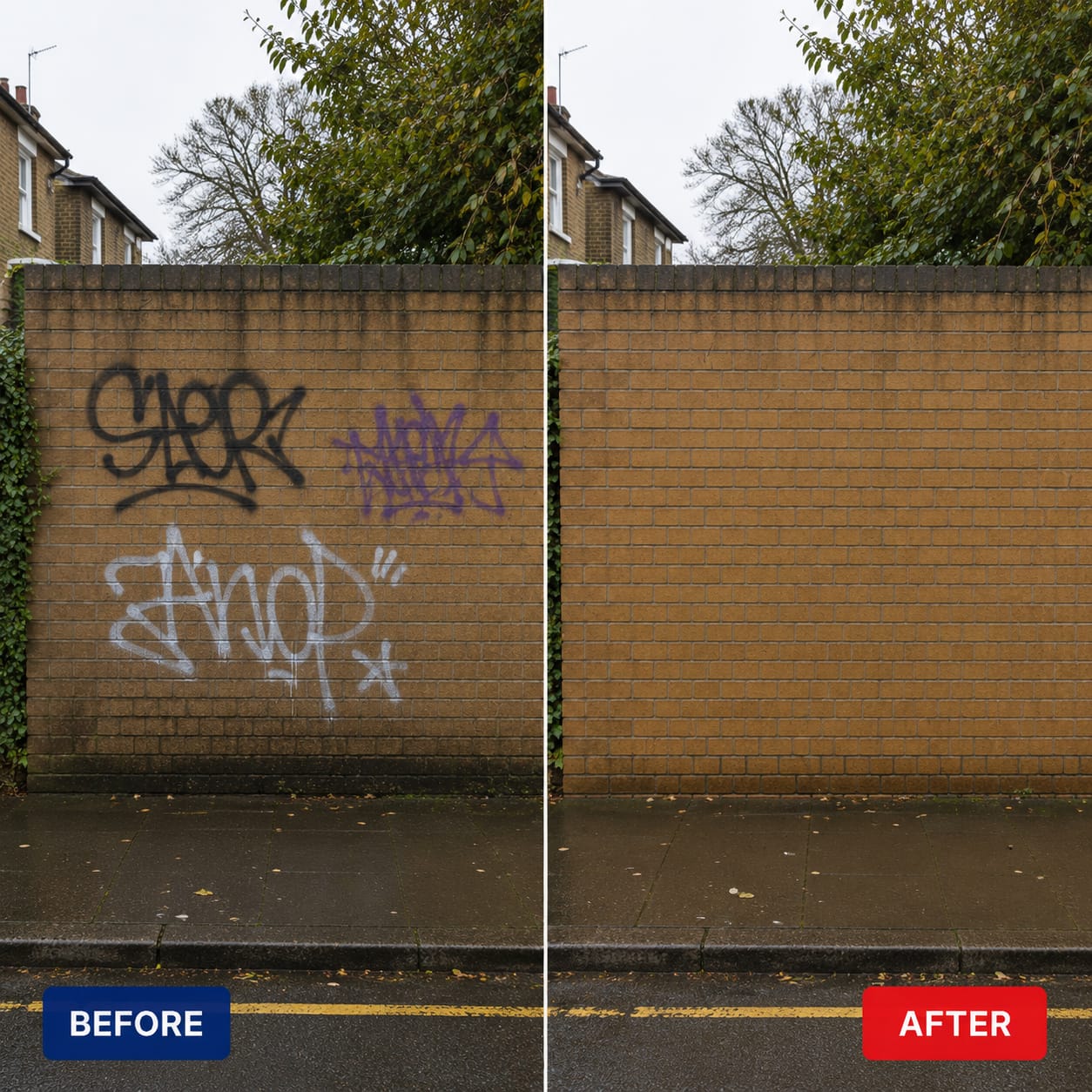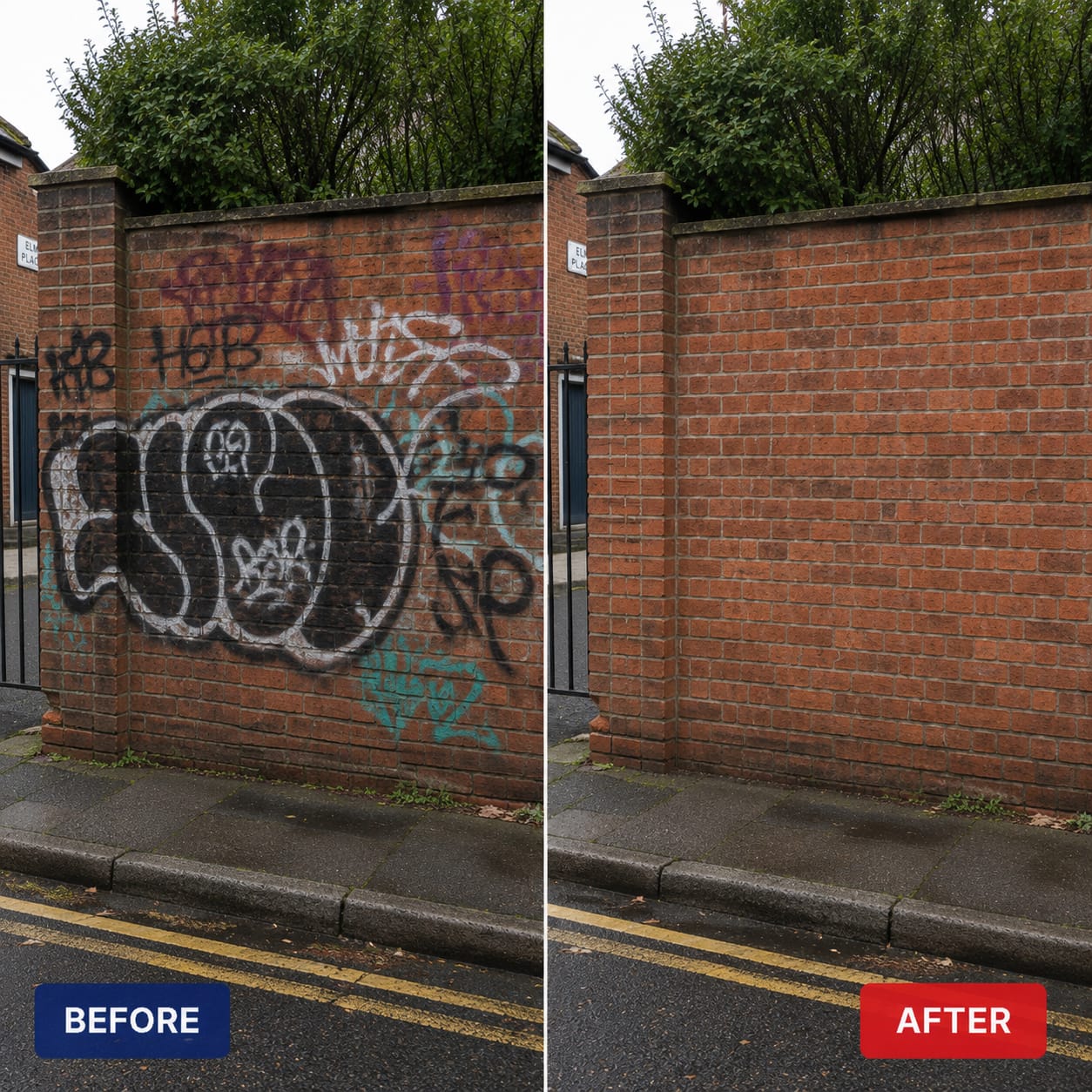
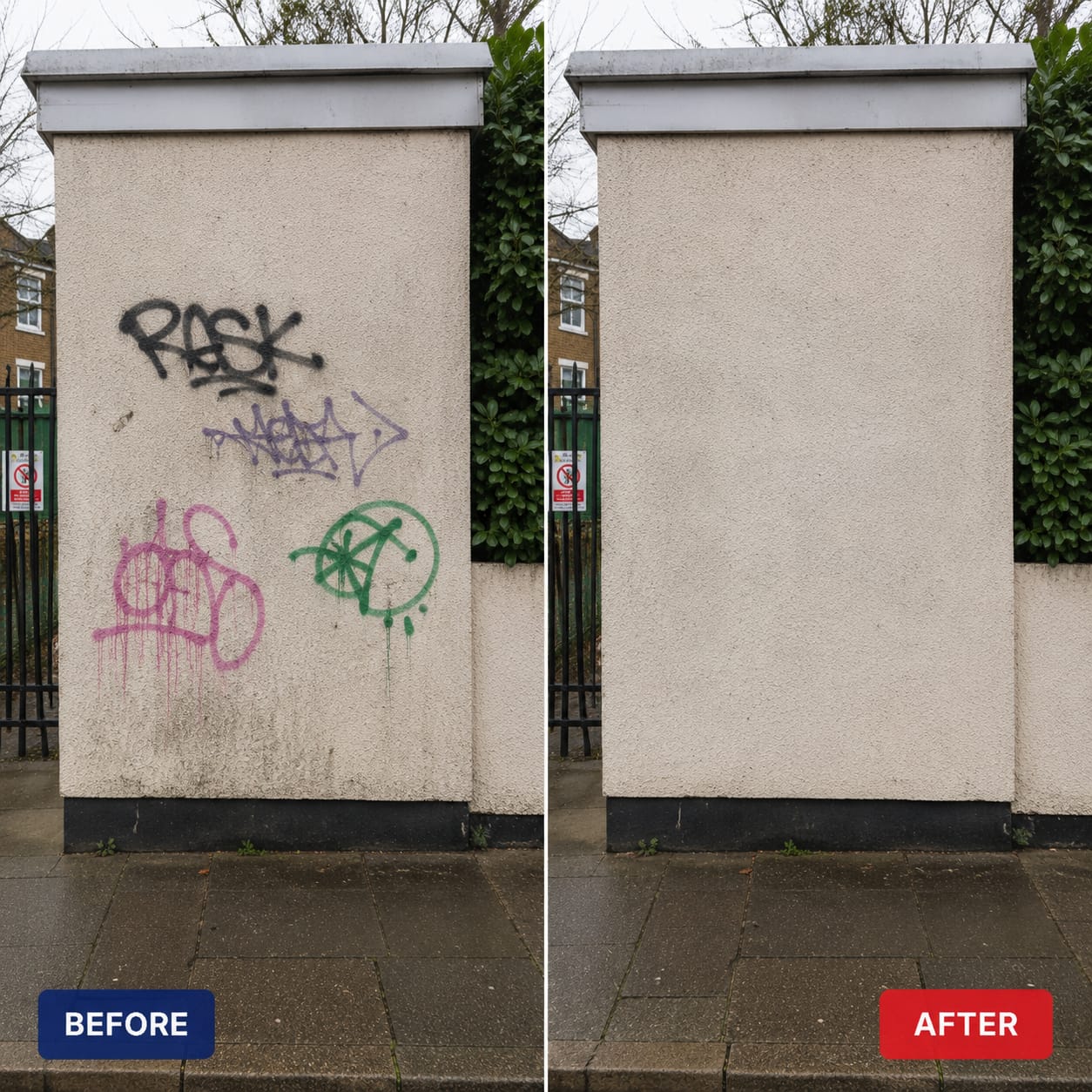
An anti-graffiti coating is one of the most cost-effective ways to deal with graffiti — but only where it's genuinely needed. Coat a wall that's almost never tagged and you've spent money for little return; skip one that's hit every month and you'll keep paying to clean it.
So how do you tell the difference? Here are five clear signs your building or site would benefit from a coating.
How to judge whether a coating is worth it
As you read the list, weigh each sign against three simple questions: how often is the surface tagged, how exposed is it, and how much is cleaning it costing you? The more signs that apply, the stronger the case.
1. You've cleaned the same wall more than once
This is the clearest signal of all. If a surface has been tagged and cleaned repeatedly, it's a proven hotspot — and vandals rarely lose interest on their own.
Coating a repeat target means every future clean is fast, cheap and damage-free, instead of another full removal job. On a wall that's hit several times a year, that saving stacks up quickly.
2. You're on a main route or near a known hotspot
Buildings on busy pedestrian routes, near transport links, or beside existing graffiti are far more likely to be targeted. Vandals go where they'll be seen, and where tagging is already 'normal'.
If your neighbours keep getting hit, it's usually only a matter of time before you do too — which makes protecting your most exposed walls a sensible pre-emptive move.
3. You have large, blank, accessible walls or shutters
Big, plain, easy-to-reach surfaces are an open invitation. Roller shutters, gable ends, service-yard walls and underpasses are classic targets — a blank canvas at ground level.
These surfaces are prime candidates for protection, especially shutters and frontages where a fast, clean wipe-off keeps your business looking presentable at opening time.
4. The surface is porous or delicate
Brick, render and natural stone soak up spray paint and are easily damaged by aggressive cleaning. On these surfaces a coating protects the material itself, not just your budget.
That matters even more on period or heritage buildings, where repeated harsh removal can erode the surface permanently. A coating means future graffiti lifts off gently, without touching the substrate.
5. Graffiti is eating into your maintenance budget
If unplanned graffiti call-outs have become a regular line in your costs, that unpredictability is itself the problem. Reactive cleaning is hard to budget for and always feels like money down the drain.
A coating turns that recurring, variable spend into a one-off investment that pays for itself over time — and makes your costs predictable.
Recognise two or more of these? It's worth getting a site assessment. We'll tell you honestly whether a coating is the right call — and which surfaces to prioritise.
A quick real-world example
A retail unit on a busy corner kept finding its side shutter tagged — cleaned one week, hit again the next. Three of the five signs applied: repeat tagging, a prominent location, and a large blank shutter. A single permanent coating turned each new tag into a two-minute wipe-off, and the owner stopped dreading the Monday-morning inspection. The upfront cost was recovered within months of avoided call-outs — and the shutter has looked presentable ever since.
What an anti-graffiti coating actually does
A coating doesn't stop graffiti going up — it makes removing it quick, cheap and damage-free. There are two main types: sacrificial coatings, which lift away with the graffiti and are re-applied, and permanent coatings, which last for years so future tags wash off without removing the barrier. The right choice depends on the surface and how often it's targeted.
Frequently asked questions
How much does an anti-graffiti coating cost?
It depends on the surface area, the type of coating and access. Because it makes every future clean faster and cheaper, it typically pays for itself on any surface that's tagged more than once or twice a year. We provide free, no-obligation quotes.
Will a coating stop graffiti appearing?
No coating stops the tag going up. What it does is make removal quick and easy — often with just water and low pressure — so graffiti no longer sticks around or damages the surface.
Can coatings be used on heritage or listed buildings?
Yes, with the right product. On porous and heritage surfaces a coating actually helps by allowing gentle, non-damaging removal. We'll match the coating to the surface.
How long does a coating last?
Permanent coatings can protect a surface for years from one application; sacrificial coatings are re-applied after each clean. We'll recommend the best fit for your site and how often it's targeted.
The bottom line
If you've cleaned the same wall twice, sit on a busy route, have big blank surfaces, own porous or heritage walls, or watch graffiti eat your budget — a coating is worth serious thought. The more of these five signs apply, the more it will save you.
Think your building ticks a few boxes?
We'll assess your surfaces and advise honestly on whether an anti-graffiti coating is worth it — across Manchester, Cheshire and the North West. Get a free site assessment.